

In this article we feature wisdom from How to Fight, in which Zen Master Thich Nhat Hanh brings clarity, compassion, and humor to the ways we act out in anger, frustration, despair, and delusion. His teachings offer practical guidance for meeting times of polarity, tension, and conflict with understanding and care, helping us to return to ourselves in order to restore peace in ourselves and with one another.
Where the Fight Begins
When someone says something unkind to you, you may want to retaliate right away. That is where the fight begins. This habitual way of reacting creates a well-worn pathway in your brain. When you travel a neural pathway over and over again, it becomes a habit. Very often that pathway leads to anger, fear, or craving. One millisecond is enough for you to arrive at the same destination: anger and a desire to punish the person who has dared to make you suffer. The mind and the brain are plastic in nature. You can change your mind, your brain, and the way you think and feel. With practice, you can create new neural pathways that lead to understanding, compassion, love, and forgiveness. Mindfulness and insight can intervene, redirecting you down a new neural pathway.
A Pause
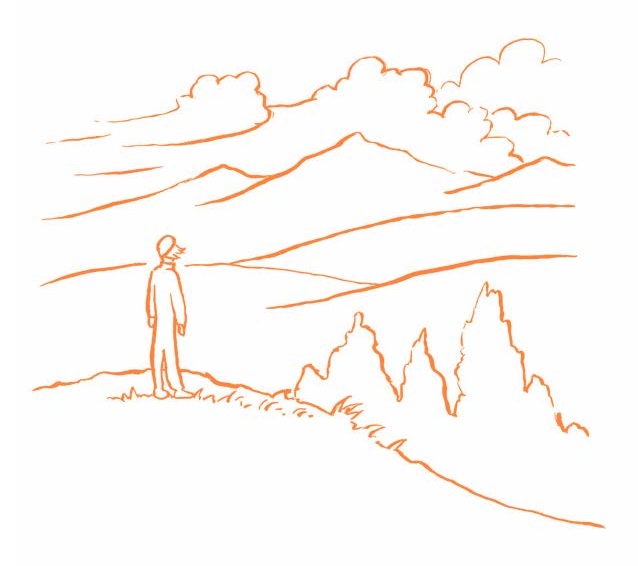
Suppose someone just said something unpleasant to you. Their words and the sound of their voice give you an unpleasant feeling. You believe they are trying to make you suffer. Of course you feel the desire to react, to say something back. You feel that if you can express your anger, if you can make them suffer, you will get relief. Most of us react in that way. But mindfulness can help us pause for a moment and become aware of the anger building up in us. Stopping gives us a chance to acknowledge and to transform our anger. When we feel anger, irritation, or indignation arising in us, we pause. We stop and come back to our breathing straight away. We do not say or do anything when we are inhabited by this kind of energy, so we don’t escalate the conflict. We wait until we’re calm again. Being able to pause is the greatest gift. It gives us the opportunity to bring more love and compassion into the world rather than more anger and suffering.
(Illustration by Jason DeAntonis)
When your House is on Fire
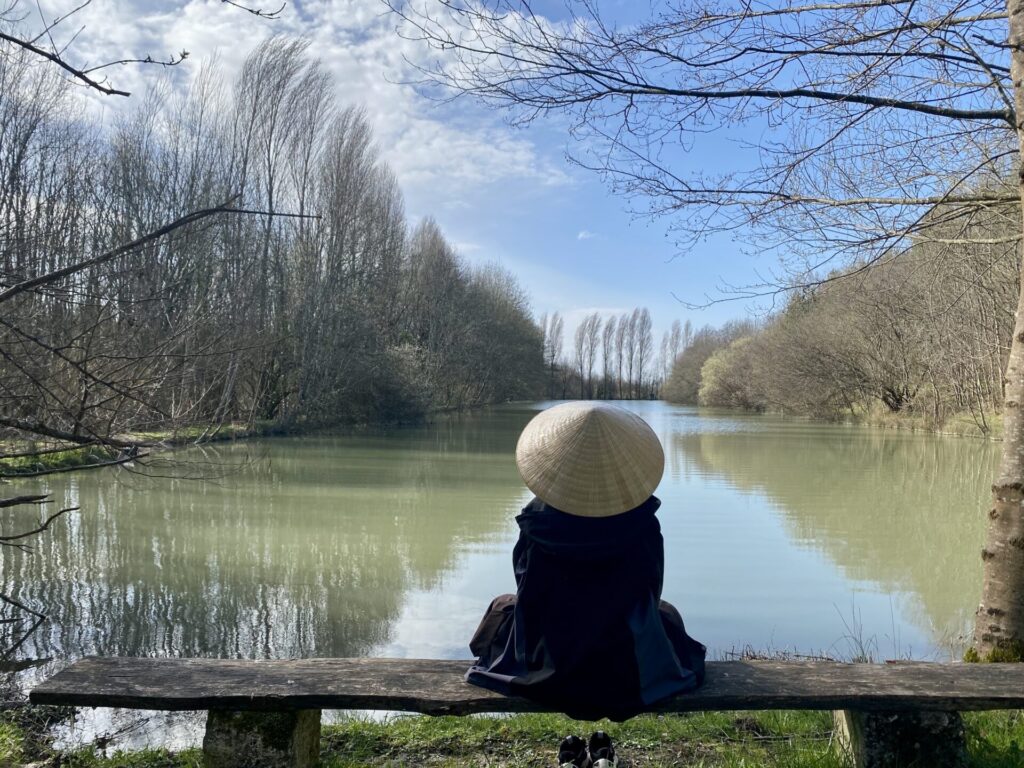
Usually when we are angry with someone we are more interested in fighting with them than in taking care of our own feelings. It’s like someone whose house is on fire running after the person who has set fire to their house instead of going home to put out the flames. If we don’t go home to take care of our anger, our whole house will burn down. But if we can pause for a moment, we have a chance to acknowledge our anger, embrace it and look deeply to see its true roots. If we can take care of our own anger instead of focusing on the other person, we will get immediate relief. If we can pause, we see that our anger or fear may have been born from a wrong perception or may have its roots in the large seeds of anger or fear within us. When we realize this, it frees us from anger and fear. Practice embracing and looking deeply to see the real roots of your anger. When insight is born, you will be free.
Countless Obstacles
Bodhisattvas are great beings who have dedicated their whole lives to cultivating compassion and liberating others from suffering. So is it possible for a bodhisattva to get angry? Of course it is. Being a bodhisattva doesn’t mean you are perfect. Anyone who is aware of what is happening within themselves and tries to wake up other people is a bodhisattva. We are all bodhisattvas, doing our best. Along the way, we may feel angry or frustrated. It is said that when one bodhisattva gets angry at another bodhisattva, countless obstacles are set up everywhere in the universe. When we have hatred and anger in ourselves, they rebound to all quarters. When we have peace and joy in ourselves, our peace and joy will radiate throughout the whole cosmos.
Don’t Fight with Anger
Any peace talks should begin with making peace with ourselves. First we need to recognize our anger, embrace it, and make peace with it. You don’t fight your anger, because your anger is you. Your anger is the wounded child in you. Why should you fight your anger? The method is entirely nonviolent: awareness, mindfulness, and tenderly holding your anger within you. Like this, your anger will transform naturally.
Peace in Oneself
We can only listen to another person and understand their suffering if we have first looked deeply, embraced, and been kind to our own fear and anger. We make peace with our own fears, worries, and resentments and look deeply to understand their roots. This brings the insight that can transform and heal. The process of going home and making peace inside is critical to being able to offer love to another person. Everyone knows that peace must begin with oneself, but not everyone knows how to do it. With the practice of mindful breathing, calming the mind and relaxing the body, you can start making peace inside you, and you’ll feel much better right away. Before you do the work of reconciliation with another, you need to restore communication with yourself.
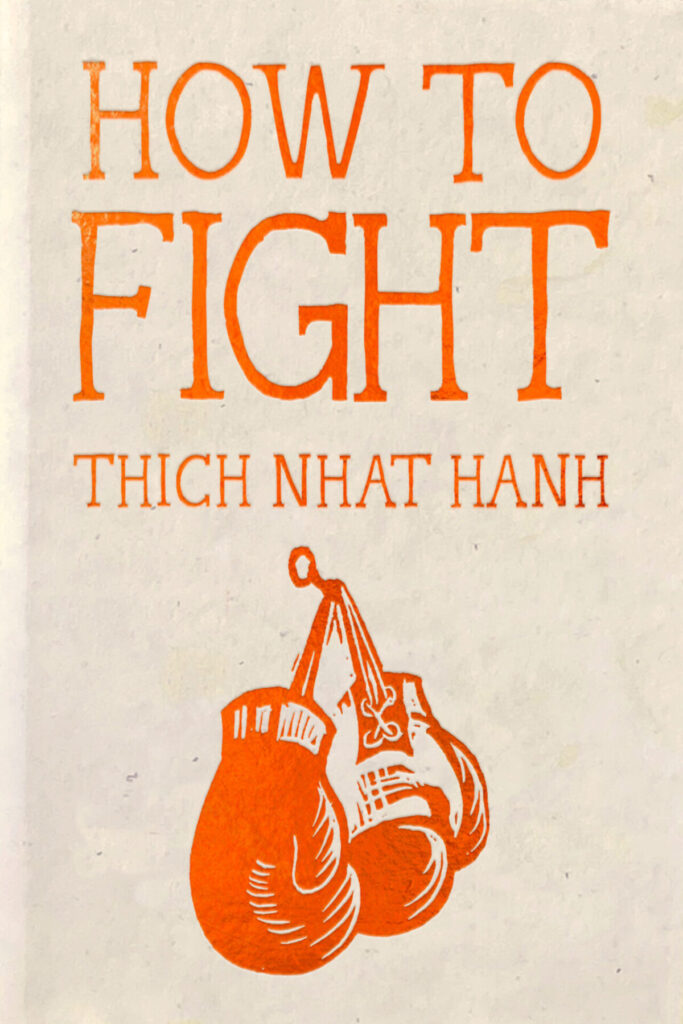
Learn how to relax the bonds of anger, attachment, and delusion through practicing mindfulness and loving-kindness toward ourselves and others.
A special hardcover gift edition will be released on April 7th at Parallax Press and all places where books are sold.
Paperback and eBook copies are also available at Parallax Press and wherever books are sold.


Share Your Reflections