

In this article we feature wisdom from How to Relax, in which Zen Master Thich Nhat Hanh brings clarity, understanding, and insights to our strong habit energies, individually and collectively, in “doing”, rather than “being”. His teachings offer practical and concrete guidance for coming back to ourselves in order to relax deep-seated inner tensions and to restore peace in ourselves and with one another.
It’s very important that we re-learn the art of resting and relaxing. Not only does it help prevent the onset of many illnesses that develop through chronic tension and worrying; it allows us to clear our minds, focus, and find creative solutions to problems.
Thich Nhat Hanh
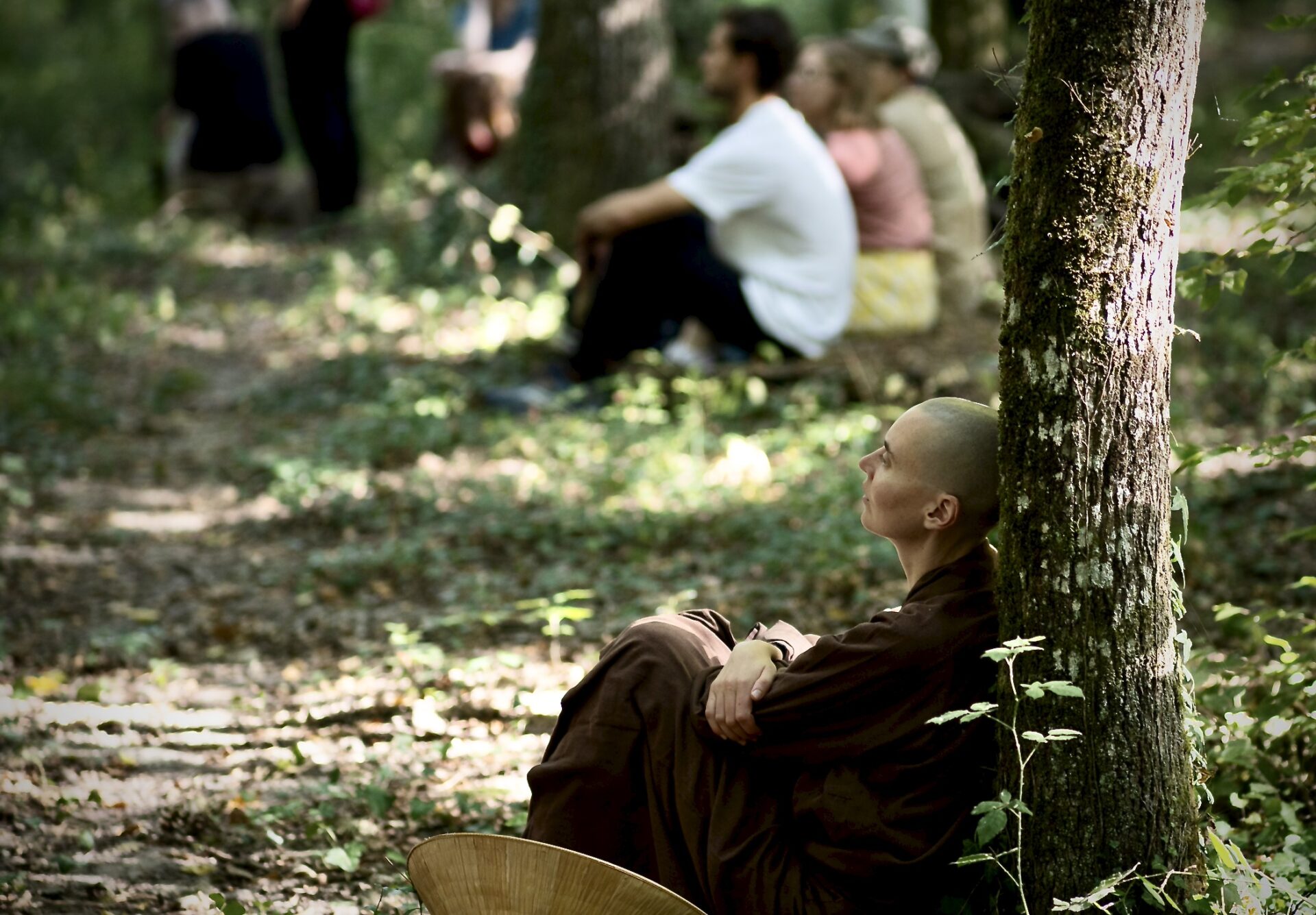
Awareness of Breathing
Your breathing is a stable, solid ground where you can take refuge. No matter what thoughts, emotions, and perceptions are going on inside you, your breath is always there, like a faithful friend. Whenever you’re carried away by thinking, overwhelmed by strong emotions, or feeling restless and dispersed, return to your breathing. Bring body and mind together and anchor your mind. Become aware of the air coming in and going out of your body. With awareness of the breath, our breathing naturally becomes light, calm, and peaceful. At any time of the day or night, whether you’re walking, driving, working in the garden, or sitting at the computer, you can return to the peaceful refuge of your own breath.
Bringing Peace to Our Territory
Each of us has a physical body, as well as feelings, perceptions, thoughts, emotions, and a deep consciousness. These comprise our territory; and each of us is a monarch ruling over our territory. But we’re not responsible monarchs. There’s disharmony and conflict in our territory. We don’t have the capacity to restore peace and harmony. Instead of surveying our territory, we escape and take refuge in some form of consumption. Mindfulness is a practice to give you the courage and energy to go back and embrace your body and your feelings and emotions, even if they’re unpleasant. Even if it seems they may destroy you, go back and embrace them and help them to transform. If you’re still afraid, ask friends in the practice for support. Practicing walking meditation, conscious breathing, and eating meals in mindfulness, you cultivate the energy of mindfulness and you’re able to reign peacefully over your territory.
Lazy Day
Most of us have very scheduled lives and very full calendars. But do we have enough lazy days in our calendar? A lazy day is a day for us to be without any scheduled activities. We just let the day unfold naturally, timelessly. On this day we have a chance to reestablish the balance in ourselves. We may do walking meditation on our own or with a friend, or do sitting meditation in the forest. We might like to read a little or write home to our family or to a friend. It can be a day for us to look more deeply at our practice and at our relations with others. Or we may recognize that we simply need to rest. When we have unscheduled time, we tend to get bored, seek entertainment, or cast about for something to do. A lazy day is a chance to train ourselves not to be afraid of doing nothing. You might think that not doing anything is a waste of time. But that’s not true. Your time is first of all for you to be—to be alive, to be peace.
(Illustration by Jason DeAntonis)
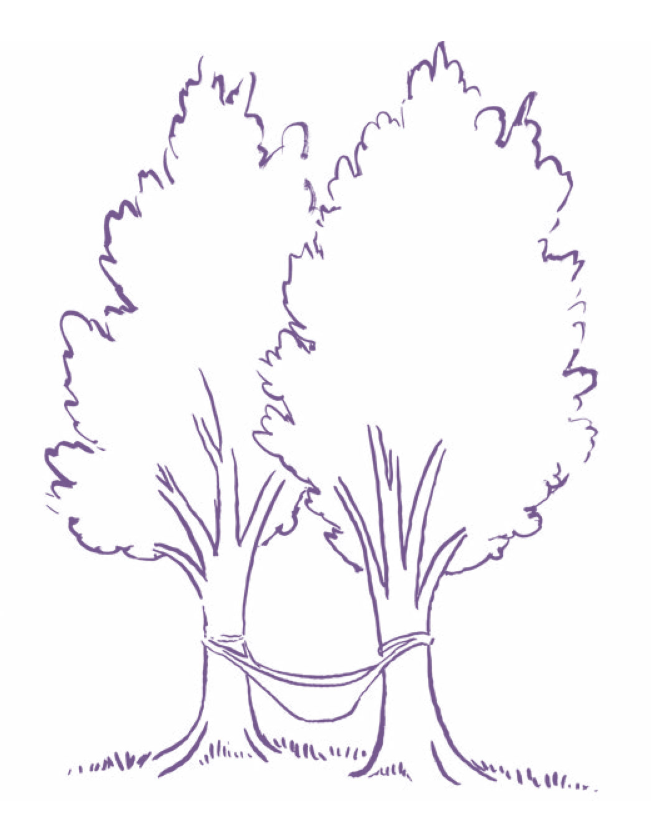
Being Peace
The world needs joyous and loving people who are capable of just being. If you know the art of being peace, then you have the basis for your every action. The ground for action is to be, and the quality of being determines the quality of doing. Action must be based on non-action. People sometimes say, “Don’t just sit there, do something.” But we have to reverse that statement to say, “Don’t just do something, sit there,” in order to be in such a way that peace, understanding, and compassion are possible
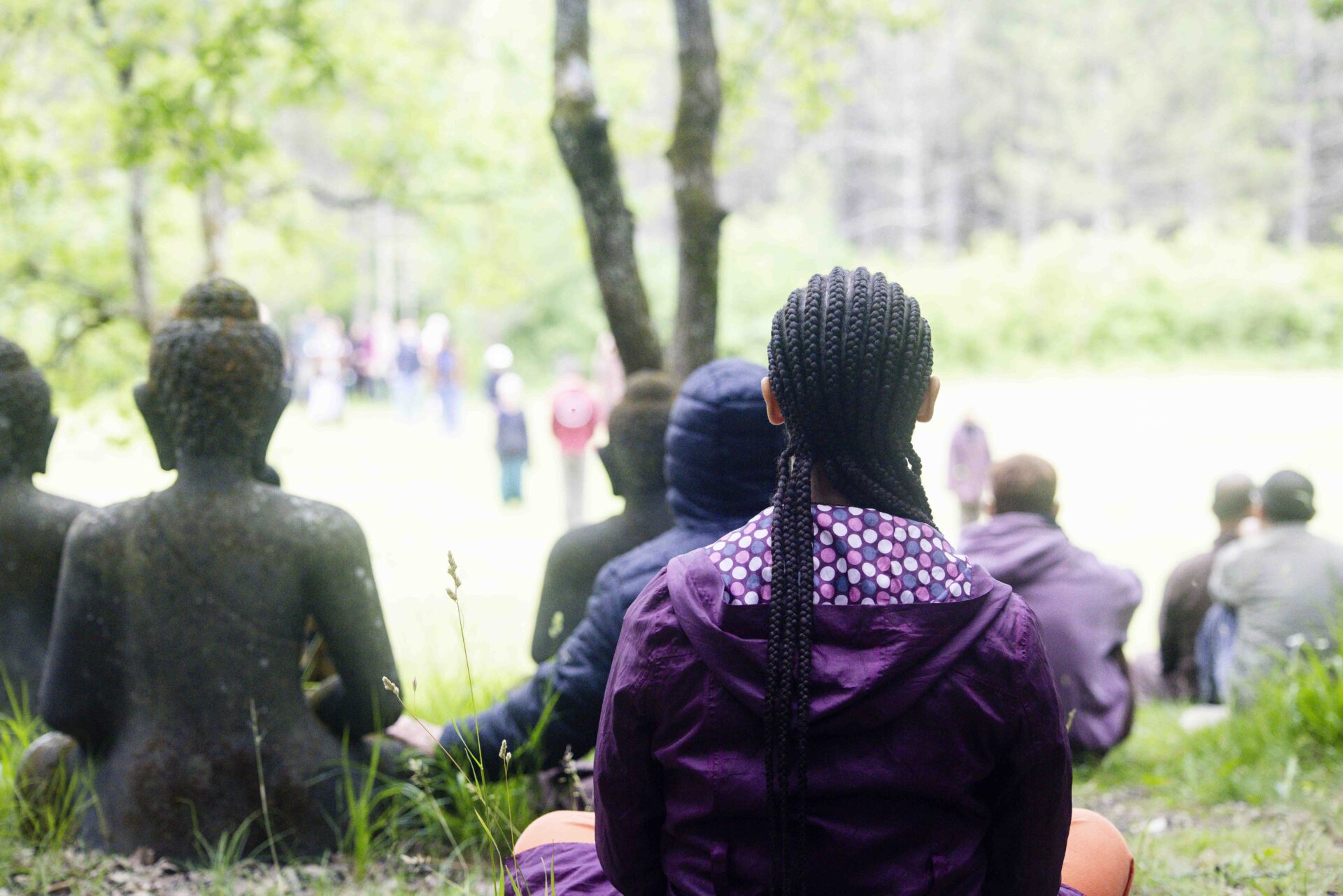
Letting Go of Worrying
Our practice is to learn to take care of the present moment. Don’t allow yourself to be lost in the past or the future. Taking good care of the present moment, we may be able to change the negative things from the past and prepare for a good future. We tend to worry about what will happen in the future. The practice helps us to come home to the present moment, to our body, our feelings, to the environment around us. When we breathe in and breathe out mindfully, our mind is brought back to our body, and we are truly there in order to take care of the present moment. If there’s some stress, some tension in our body, we practice mindful breathing in order to release the tension, and that brings us relief. If there’s a painful feeling in us, we use mindfulness to embrace our feeling so that we can get relief. The key point is that you are fully there in the present moment, in the here and now, to take care of yourself and what’s happening around you. You don’t think too much about the future or project too much about how it might be; and you’re not trapped too much in the past. You have to train yourself, to learn how to go home to the present moment, to the here and now, and to take care of that moment, to take care of your body and your feelings in this moment. As you learn how to be in the present moment, you’ll gain faith and trust in your ability to handle the situation. You learn how to take care of your feelings and what’s happening around you. That makes you confident; and as your confidence grows, you’re no longer the victim of your worries.
Desire and Happiness
The Buddha often said that many people confuse desire with happiness. Before he became a monk, the Buddha had grown up as a prince and had tasted a life of trying to satisfy desires, so his words came from experience. He said that true happiness is a life with few desires, few possessions, and the time to enjoy the many wonders in us and around us. Desire means to be caught in unwholesome longing. When the mind is desiring, we are aware of the presence of that state of mind. “This is the mind longing for wealth.” “This is the mind desiring reputation.” When the mind isn’t desiring, it’s important to observe that the desiring mind is not present. “This is the sense of ease that accompanies the absence of a mind desiring wealth.” “This is the sense of ease that accompanies the absence of a mind desiring reputation,” etc. We can experience happiness, ease, and peace when we observe these moments of no desire. Desirelessness is the basic condition that makes possible the feelings of joy, peace, and ease that come with living a simple life. Simplicity means to have few desires, to be content “with a simple life and just a few possessions. Desirelessness is the basis of true happiness, because in true happiness there must be the elements of peace, joy, and ease.
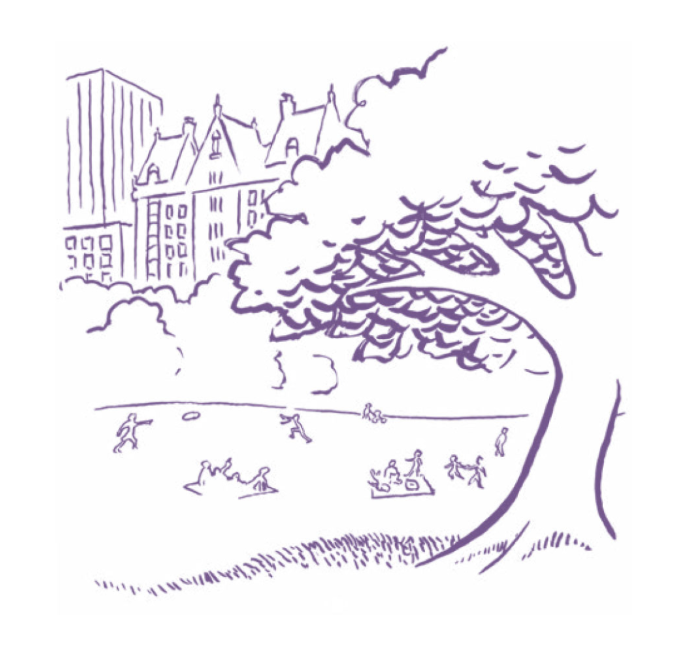
(Illustration by Jason DeAntonis)
Relaxing Where We Are
Living in the city, we may be very busy, and the city is very noisy and polluted. We can never see the moon or the stars, and we get caught in the city. We want to have a two-day vacation to leave the city and go to the countryside, but we can’t go because we’re not able to let go. One day a friend comes and says, “This Friday let’s go to the countryside.” That person is really good at convincing us to leave, so we accept. We get in the car, and after only forty-five minutes we have left the city behind and we can see the countryside. We feel the breeze, we see the spaciousness, and it gives us joy. That joy comes from being able to let go and leave the city behind. Letting go gives rise to joy and happiness. We need to sit down with a piece of paper and write down the things we can let go of. We’re still caught in many things. We’re not happy and joyful, because we haven’t been able to let go.
Liberation
We often live as if we’re in a dream. We’re dragged into the past or pulled into the future. We’re bound by our sorrow, agitation, and fear. We hold on to our anger, which blocks communication. “Liberation” means transforming and transcending these conditions in order to be fully awake, at ease, peaceful, joyful, and fresh. We practice stopping and observing deeply in order to arrive at liberation. When we live in this way, our life is worth living, and we become a source of joy to our family and to everyone around us.
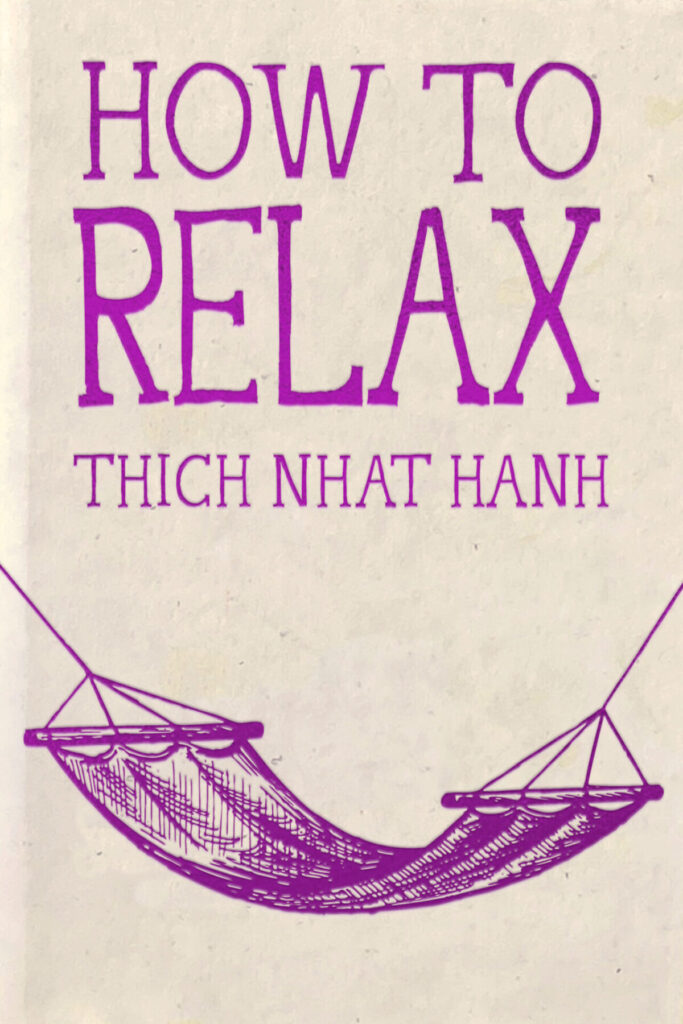
Learn how to relax the bonds of busy-ness, worry, stress, and attachment through different mindfulness practices in order to touch true freedom, ease, and peace wherever we are.
A special hardcover gift edition will be released on August 4th at Parallax Press and all places where books are sold.
Paperback and eBook copies are also available at Parallax Press and wherever books are sold.
Share Your Reflections