

As many different spiritual and cultural traditions celebrate holidays at this time of year, we would like to feature this beautiful personal sharing by Dharma teacher Valerie Brown (True Sangha Power) about practicing the Five Mindfulness Trainings in the spirit of openness, inclusiveness, and non-dogmatism.
This excerpt is from the book, Love is Liberation: Five Contemplations for Everyday Living, co-authored by her and Marisela Gomez, MD.
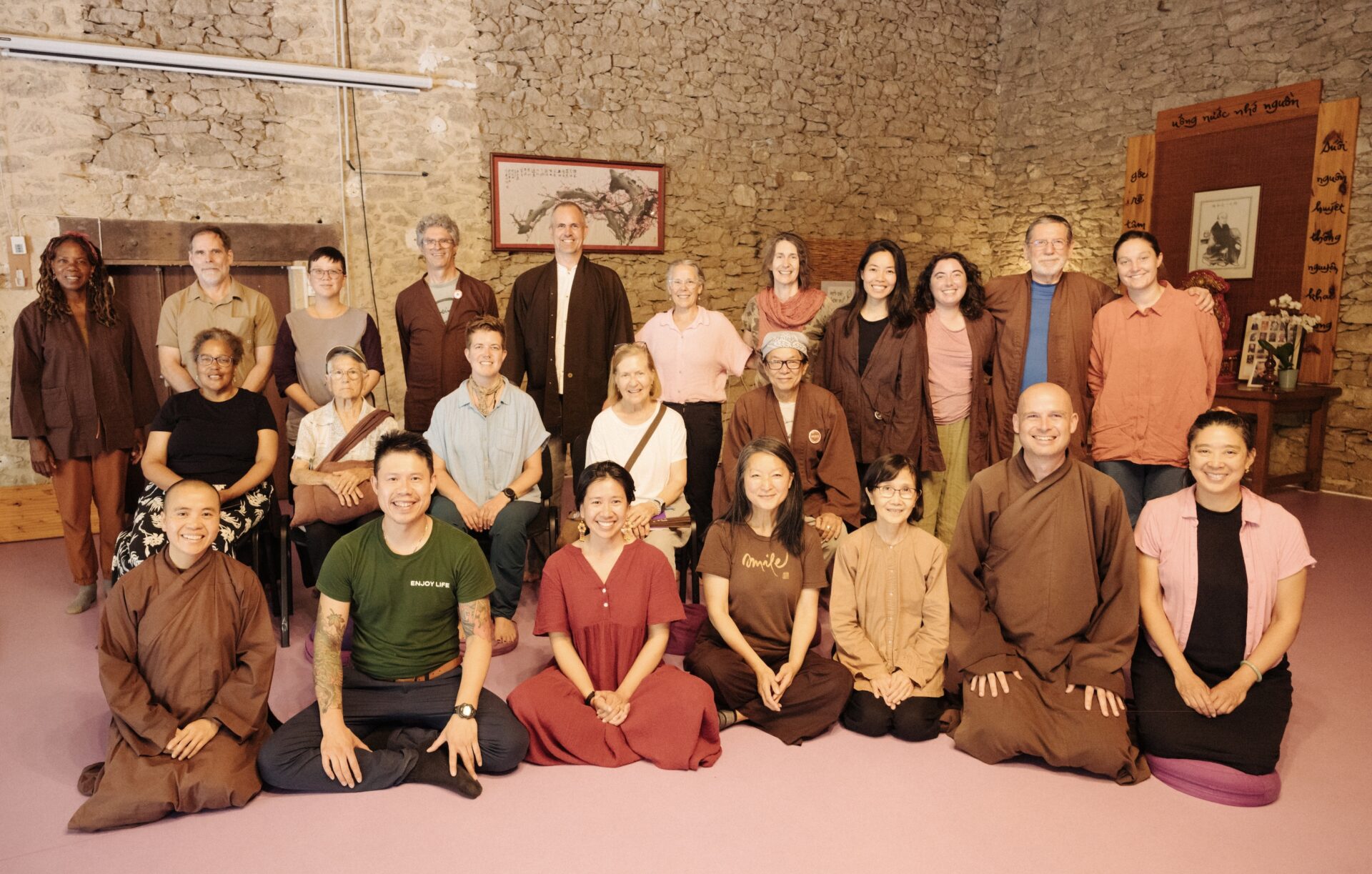
This year, 2026, we are celebrating 60 years of the Order of Interbeing. After our legendary June retreat in Plum Village, France, we are continuing our monthly offering in which we feature articles written by an OI member, highlighting different voices in our beloved OI community.

The First Mindfulness Training: Reverence for Life
Aware of the suffering caused by the destruction of life, I am committed to cultivating the insight of interbeing and compassion and learning ways to protect the lives of people, animals, plants, and minerals. I am determined not to kill, not to let others kill, and not to support any act of killing in the world, in my thinking, or in my way of life. Seeing that harmful actions arise from anger, fear, greed, and intolerance, which in turn come from dualistic and discriminative thinking, I will cultivate openness, non-discrimination, and non-attachment to views in order to transform violence, fanaticism, and dogmatism in myself and in the world.
I came into a deeper understanding of the First Mindfulness Training as a result of my relationship with my brother Sam. Perhaps more than anyone else, he taught me the enduring and boundless capacity of love. He taught me to allow myself to receive, to find love in quite unexpected places, especially in preparing a meal as love and in the food I consumed.
In those days, I was a militant vegetarian, meaning I had a bad attitude. I felt superior and judgmental to others about my diet because I was not consuming meat. Every time I went over to the Upper West Side apartment of Sam and his wife, Dolores, Sam did all the cooking and he loved every moment. The kitchen was his forest refuge, the place that brought him joy and happiness, and it showed in the sumptuous meals he prepared. His “church” was sharing his cooking with others. He spent hours perfecting his signature dishes: curry chicken, oxtail, or crispy fried Jamaican Escovitch fish. Although I could smell the curry and tamarind when I got off the elevator, I would have none of it in my righteousness.
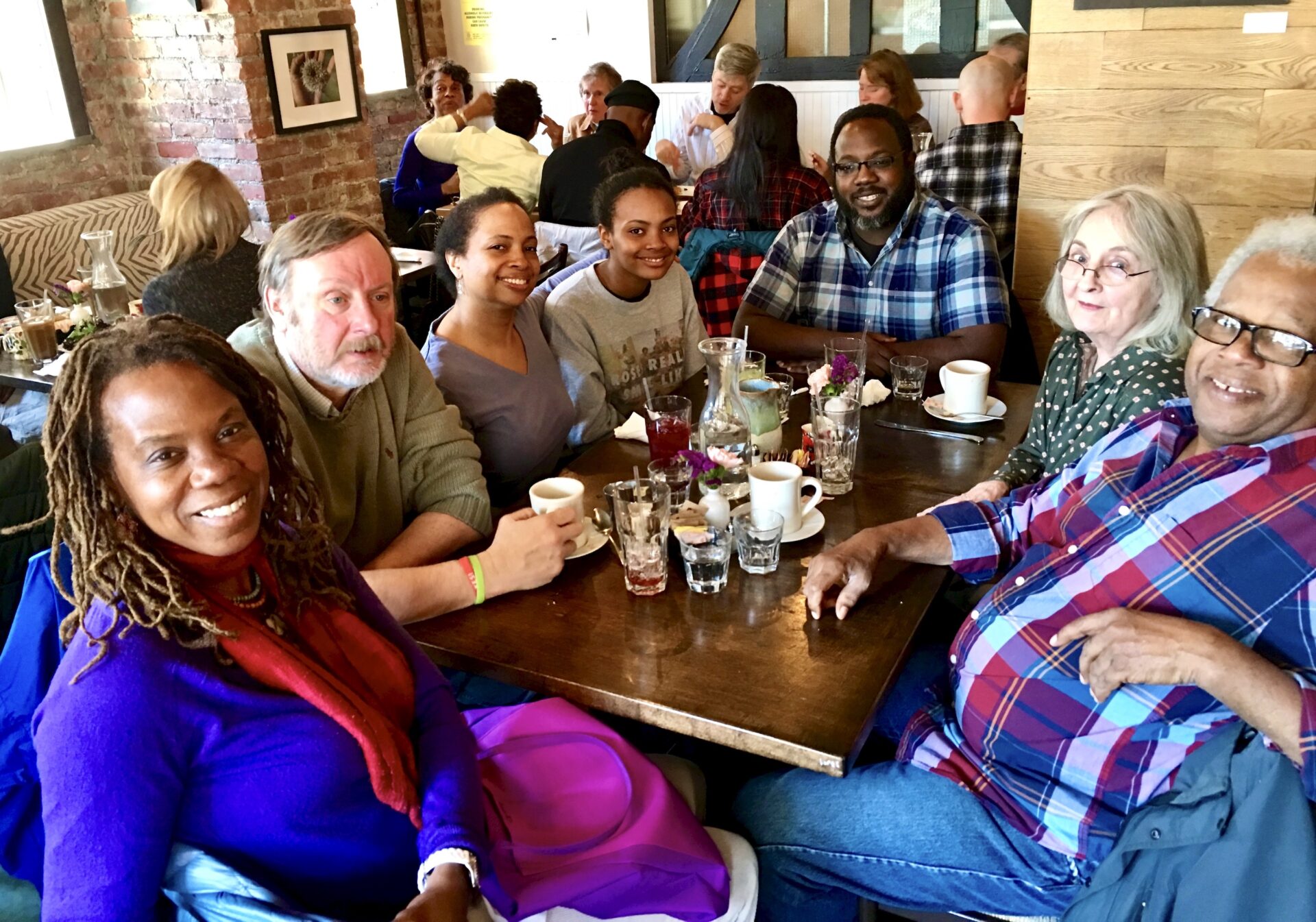
It was Thanksgiving, and Sam spent hours making a Jamaican feast of curry chicken, pork loin, collards soaked in ham hocks, corn bread loaded with butter, and more. I had just finished reading Thich Nhat Hanh’s book on food as an expression of love. I realized this dinner wasn’t a meal—it was Sam’s way of expressing love. Just then, I turned to Sam and said, “I’ll have everything.” He looked at me, shocked, and then joy slowly spread across his face with a mile-wide grin, revealing the gap between his two front teeth. I ate it all, and with every mouthful I savored his love. He was the happiest I had ever seen him, and so was I.
In this case, the compassionate and virtuous action was to consume meat as an expression of love and respect for my brother. Right Action is to understand that the basis for the First Precept is non-harming, and in that moment, the best way I could demonstrate non-harming was through eating the food my brother graciously and joyfully served me. Right Action was to meet Sam on his own terms and to be flexible and non-dogmatic in my views. My wider values around the ecological impact of meat consumption, including its effects on the environment and on the animals themselves, has not changed. How we approach each precept isn’t one-size-fits-all but invites a deeper look.
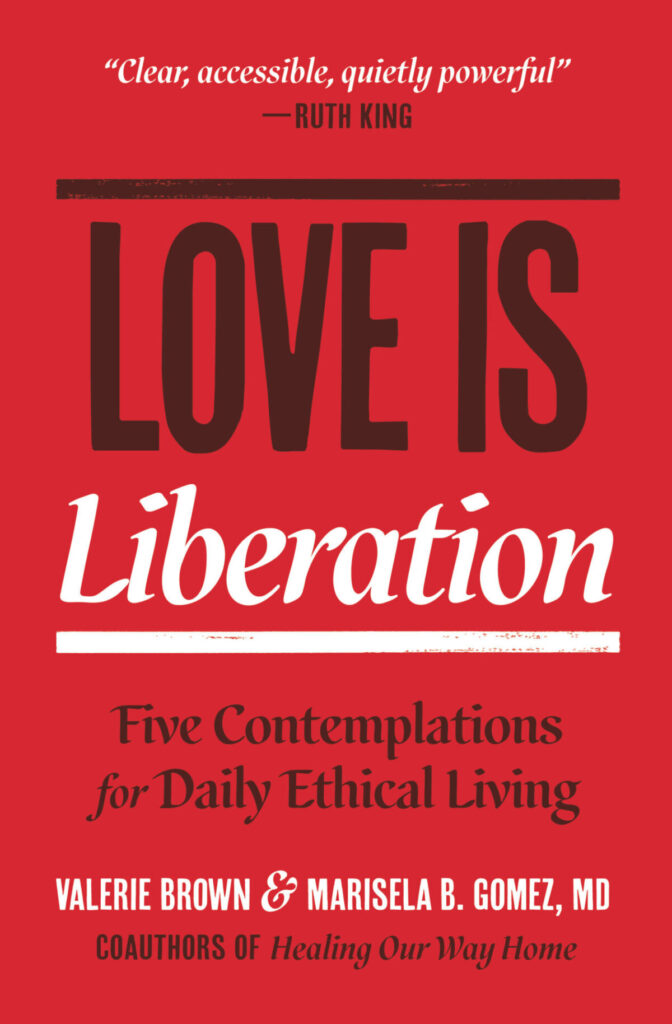
A courageous call forward from BIPOC and LGBTQIA+ Buddhist practitioners to transform the cycle of racial, ethnic, and social suffering through ethical choices and action from a place of belonging and love—the ultimate liberation—in this companion to Thích Nhất Hạnh’s Five Mindfulness Trainings
Aware of the interconnection of all people, and the truth that we are all affected if even one person lives on the knife-edge of systemic social oppression and discrimination, authors and Dharma teachers Valerie Brown and Marisela B. Gomez address the suffering of Black, Indigenous, and People of Color, who face disproportionate levels of violence, poverty, sickness, displacement, and death.
Paperback and eBook copies are available at Parallax Press and wherever books are sold.
You are warmly invited to practice with our beloved Plum Village community for our Christmas Holiday Retreat from 21 -28 December, 2026.


Share Your Reflections